I’m narcissistic and why that’s a good thing Week 7-8
The past two weeks haven’t been quite as exciting as the last but none the less they’ve shown me a few things about myself, which I’ve managed to incorporate into my running.
Week 7
This week was about psychological endurance which is governed by the Psychobiological model. This model states that the decision to whether we can keep going in an endurance situation is under our own control but is based on whether our motivation is higher than the perceived effort of the task. So if the effort required is higher we are unlikely to engage in this action or have our performance greatly reduced. Our minds also have a perceived “maximum effort” controlled by the central governor which will consciously reduce muscle recruitment to a task to reduce the effects of exercise on the body. However, this perceived “maximum effort” can be broken using psychological techniques, will power and subliminal cues.
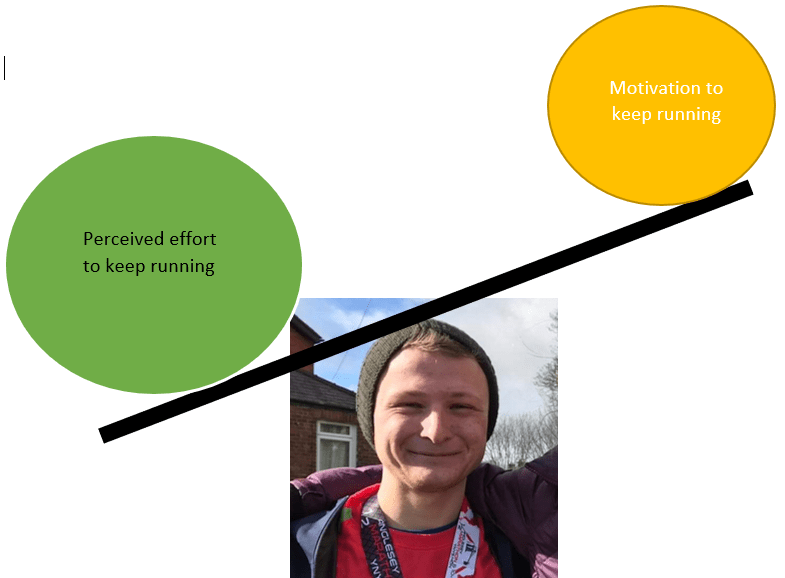
Firstly Anthony, Hardy, and Marcora (2014) showed that the use of positive imagery and subliminal cues was able to reduce perceived physical exertion and thereby improved performance. This improves performance as perceived exertion was lower, meaning motivations to perform where higher in comparison to the control even though motivation stayed the same throughout the conditions.
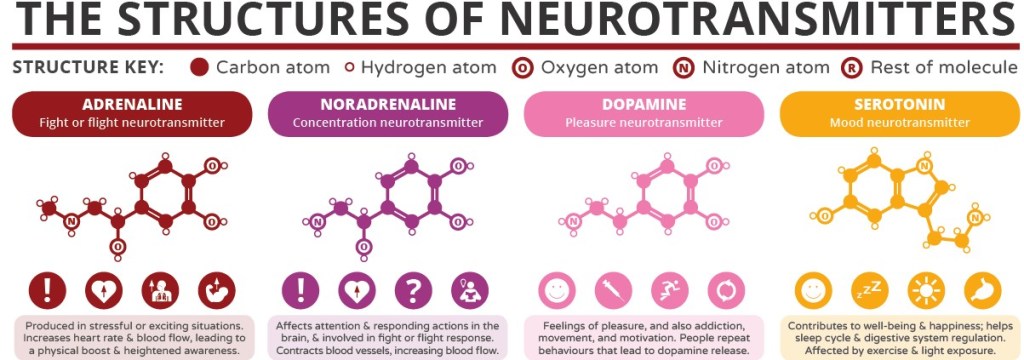
Alternatively, you can also increase your motivations by improving your grit (the ability to persevere towards long- term goals despite setbacks). To do this you need to first think of yourself as gritty, as by creating a self-concept of grittiness you are improving your self-confidence in your ability to engage in gritty behaviour. I can then further increase my internal motivation for running by focusing on my passion for running which I’ve started to develop over the last 6 weeks. Passion can be an important factor in performance running as greater passion improves your motivation to engage in a sport and therefore improves your performance as you are able to increase your motivations compared to the perceived effort of the sport overcoming the central governor. In addition, Meeusen et al (2013) found that passion for a sport has a physiological effect on the brain during exercise as passion is related to increased levels of dopamine and decrease levels of noradrenaline and serotonin. This dopamine release during exercise is shown to improve performance and decrease perceived excretion. In addition, noradrenalin is a associated with anxiety, pain, mood and depression and in Roelands (2008) was found that decreased levels noradrenaline were correlated with better performance in sprinting tries.
So how does grit, passion and positive imagery apply to my running? Well, (sorry for the imagery that is about to come) when doing hill sprints in one of my born to run seminars my body didn’t take it too well and I had to run to the nearest bin and began dry retching. This is my adversity, something that reduced my motivation to keep running increased the perceived effort of continuing. However, I knew I’d been through worse before, I knew I could keep training (I was gritty) and I was confident in my ability to do so. I also imagined myself sprinting to the top of that hill as fast as I could, while I sat clutching my stomach. Finally, I wanted to keep running because I’ve developed the running bug (passion). So, I kept going, was the first to reach the top of the hill and got back to the meeting point first. All of which gave me an endorphin rush which reduced the pain in my stomach (reduced levels of noradrenaline transmission, reducing pain perception) and made feel good about myself (increased levels of dopamine
Week 8:
This week was all about personality and how that there is no ideal personality for top sporting performance but that different personality traits have both benefits and drawbacks. My main take away from this lecture was that I am in fact a huge narcist (at least for sport that is), I enjoy beating others, the idea of getting the fastest time excites me and when I have the chance to prove myself in a competition I take it without a moment’s notice. But it also limits my sporting ability to an extent as well in my training and when I’m on my own, so I need to develop a plan that both enhances the positive aspects of my narcissistic personality and deals with my limiting ones too.
Firstly a narcissism is a personality trait that describes a person who is overconfident, vain, engages in self-handicapping, seeks glory and have a fragile self-image. However, to be a narcist you don’t have to have all these traits and you may have a multitude of others not mentioned.
So how does this affect my running? Roberts et al (2019) have shown that narcissism can improve performance when there are opportunities for glory (aka proving myself in front of others). This is clearly shown in my race time for the half marathon as was able to run 13.8mi at a pace of 7:47 (I can barely reach this pace doing 8mi!). But in my training runs after the marathon, I was hitting a pace of around 8:30. The main reason for this may be that narcissism has also been shown (cite) to be correlated with a lower performance where glory or competition isn’t available. So how can I use my narcissism to my advantage?
First thing first is to train with other people more, especially people that are better than me! By trying to beat someone that’s better than me I’ll have to push myself harder and the reward/glory for being able to match their pace will motivate me to put my maximum effort in. In addition, when I’m running on my own, I have started to visualise someone running in front of me or that people around me are trying to catch up with me which has helped give me a surprising boost to speed. This has been shown to be beneficial as shown in Amasiatu (2013) as imagery can create greater psychological arousal before and during exercise as well as focus your mind on certain strategies and technique by improving your attentional control. This is shown to be effective as well in my most recent Strava segment (image below), as using this imagery helped me achieve a new PB for my 5km. In addition to this by using imagery of perfect running form while and before I go running it can improve my running technique according to the Psychoneuromuscular Theory. This theory states that vivid imagined events of muscle action produce signals in our muscles similar to that produced by the actual physical execution of the event. This helps to create muscle memory even when not engaging in my running.
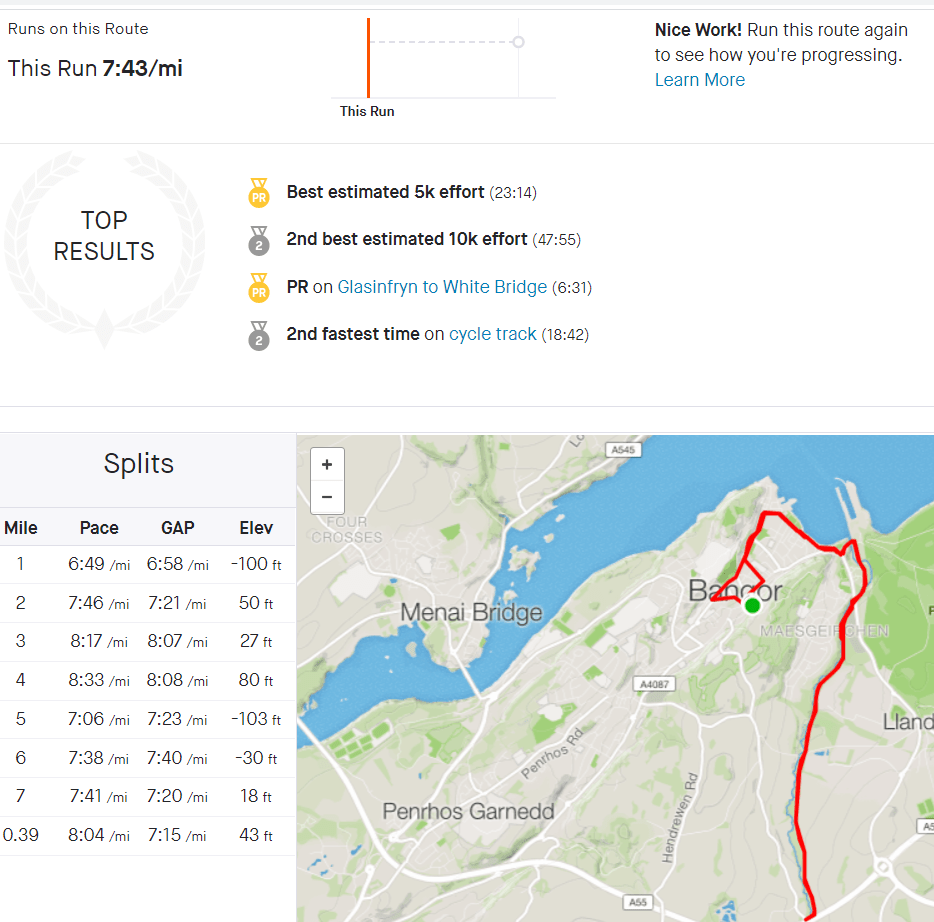
Finally, I’ve started to try to compete for segment high scores on Strava as well so it’s as if I’m competing against others while I still train on my own. My highest at the moment is 2nd on Farrar Road. Hopefully using all of these methods along with the methods I already use will help me to keep improving my running and keep me motivated until marathon day and thereafter!!!! That is if my marathon is still going ahead!!!!!!!

PBs and Fallen Trees, week 5-6
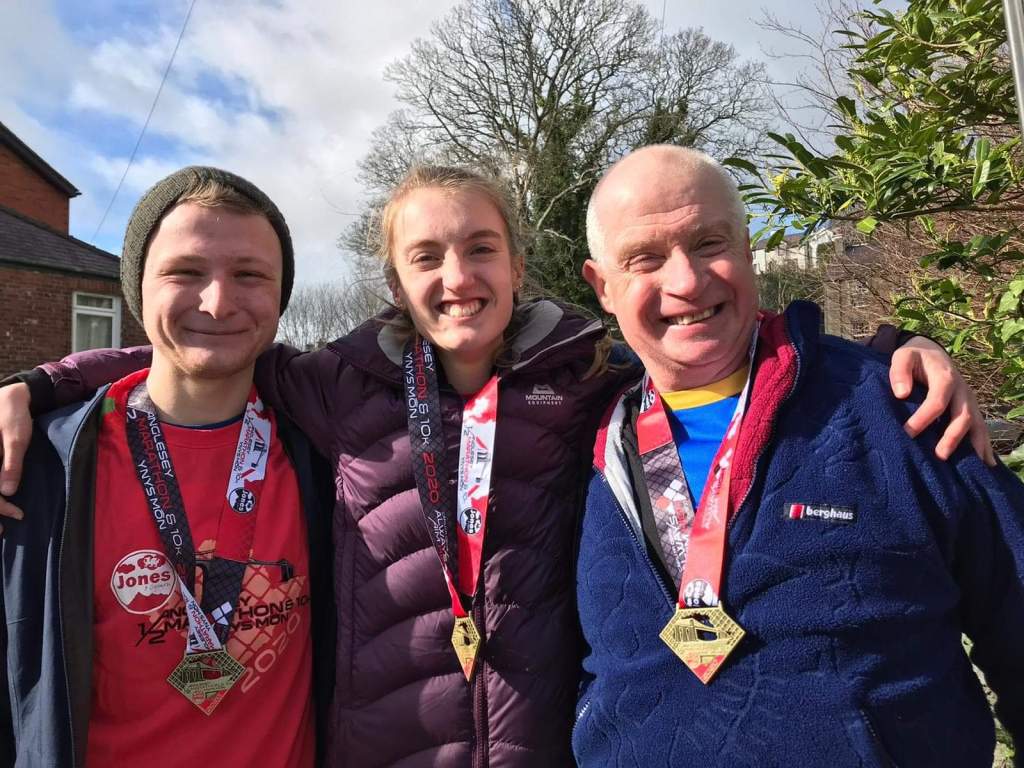
The past 2 weeks have been different from most as I’ve have only had 1 lecture but I’ve also had to look to marathon prep and compete in the Anglesey half marathon. But I can say without a doubt this has been my favourite 2 weeks so far.
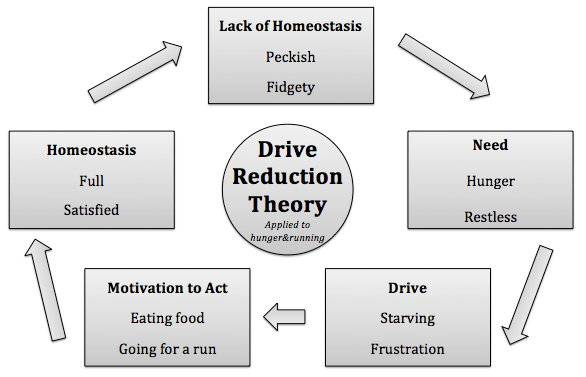
Let’s start with the lecture. Week 5 has been all about motivation. Why do I want to run, what pulls me to it, what am I getting from all this? Firstly, there are 2 main types of motivation one is based on incentives/pulling factors and the stronger our incentives the more likely we are to engage in our desired behaviour, in my case running. Basically the carrot on stick we dangle in-front of ourselves

The other is Hull’s drive theory based on maintaining homeostasis. If there is a lack of homeostasis there’s lack of something within the body, this causes a need, which in turn creates a drive engage in a behaviour that satiates this drive. This is described as creating a push towards. These 2 theories of motivation can also work in tandem as food is both a need for the body as well as want, making it motivating. Because of this, I changed my reward after to my long runs to dark chocolate, which has been working quite well so far. However, these theories lack depth as they are minimalist in their views of what drives behaviour as they only account for basic needs and wants rather than more complex thought processes
Self-Determination Theory, on the other hand, takes more complex reasoning into account. It is based on the human need for Autonomy (having a sense of control), Competence (learning and the need for skills) and Relatedness (sense of belonging). So, in the context of my running, do I feel I have control over my training, am I improving my running form and increasing the distance I can run and do I feel I belong in my running group? The answer to all three yes which is likely to improve my performance and keep me engaged with running. But how does this link to motivation? Well, there are 6 types of motivation include within the theory base on a continuum of extrinsic motivation to intrinsic motivation.
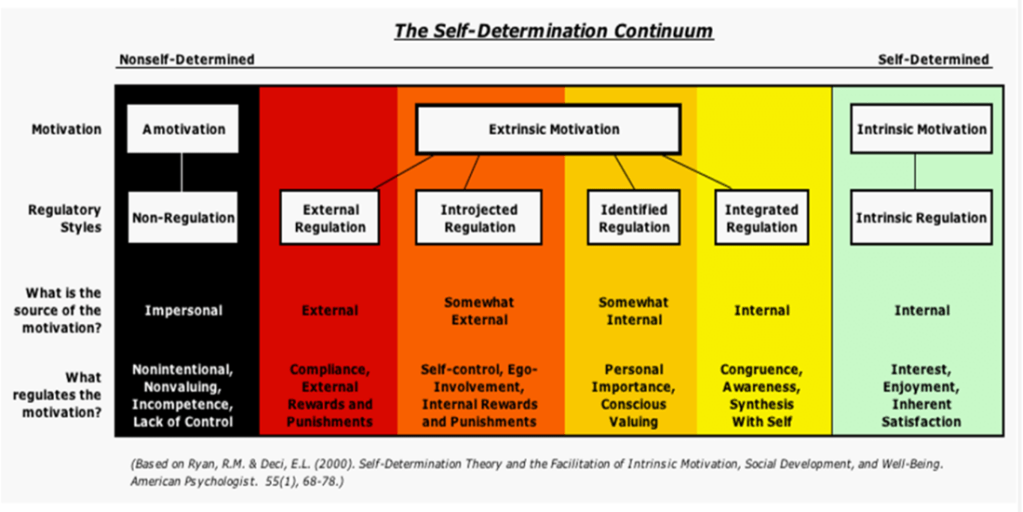
- Automotive motivation: No intention to perform a task.
- External motivation: To gain rewards or avoid punishment. So, this might be to gain the medal at the end of a race.
- Introjected approval: to gain other people’s approval or avoid guilt. This form of motivation, in relation to guilt, may be strong in the short term however is not a very reinforcing form of motivation in the long term as you aren’t engaging in behaviour for yourself.
- Identified: Motivation to act as the reason for the behaviour has importance. So, for example, if I was running the Liverpool marathon for a charity I’d be more motivated to do well
- Integrated: Motivation to engage in behaviour because it fits in with your beliefs and values. For me, I believe I should always be as healthy as I can and running helps me achieve that.
- Intrinsic: Motivation to engage in a behaviour because it’s reinforcing in itself. Running has recently become this for me and has been a big driver for me to go out on runs, as I actively want to go.
Out of these goals, integrated and intrinsic motivation have been shown to be the most likely to lead to behaviour as they have internalised value. So, I’ll be focusing mainly on these motivations in the coming weeks.
Now let’s talk about the big event of the past 2 weeks, the Anglesey Half Marathon (That was actually 13.8miles)!!! I’m extremely happy to say that I finished my first half marathon (and a bit) in 1:47:22, a time I’m really proud of. But I didn’t just rock up to the race with no plan and no strategy and get this time, I had techniques I prepared beforehand and focused on during my training sessions.
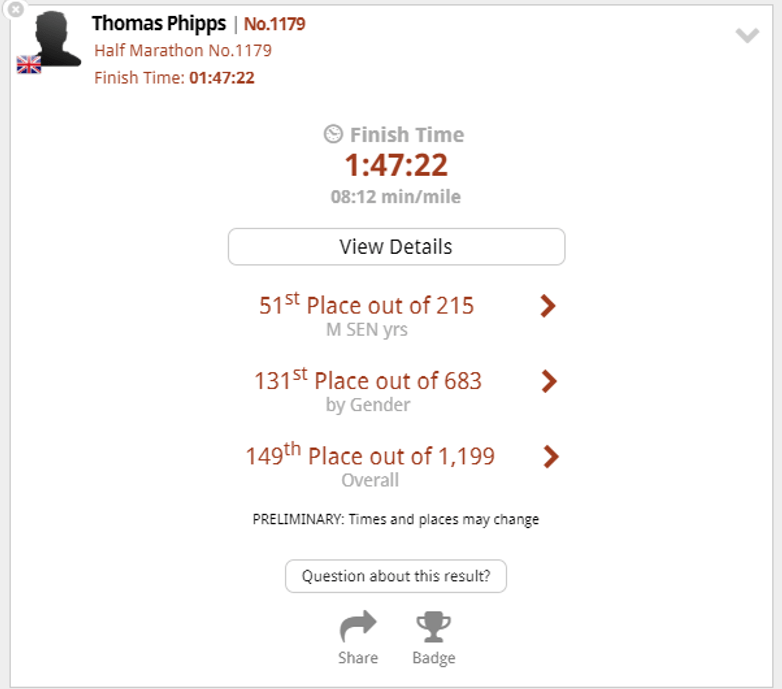
Firstly, throughout my runs in the past 2 weeks, I’ve been going into them focusing on associative techniques, where I focus on my form and the feeling of my body as I run to achieve improved performance, especially on shorter runs. This helped me achieve serial PBs: My fastest 10mile 1:17:50 and 10K 47:48. The downside of this, however, is that it’s psychologically taxing, especially on long runs that can last close to two hours. In addition, studies have found that none elite runners who use associative techniques may have lower endurance for long distances than those who use dissociative techniques as they are more likely to focus on pain and perceive higher effort levels. So, I decided to mix in some dissociative techniques as well, where I do the exact opposite! Isn’t this counter-intuitive? Don’t they cancel each other out? No!!!!! I’m getting the best of both worlds! By adding in stages of dissociative thinking (or not thinking as it may be) I allow my brain to rest and distract myself from pain or tiredness, boosting both my physical and mental endurance!
In these stages of dissociative thinking, I also add in positive self-talk, for example, “You got this! I’m smashing it right now! I’m crushing this marathon”. Although embarrassing to say (that’s why I whisper it) deliberate positive self-talk has been shown to reduce the perception of effort and improve endurance and I personally found helpful in providing a physiological boost during the half.
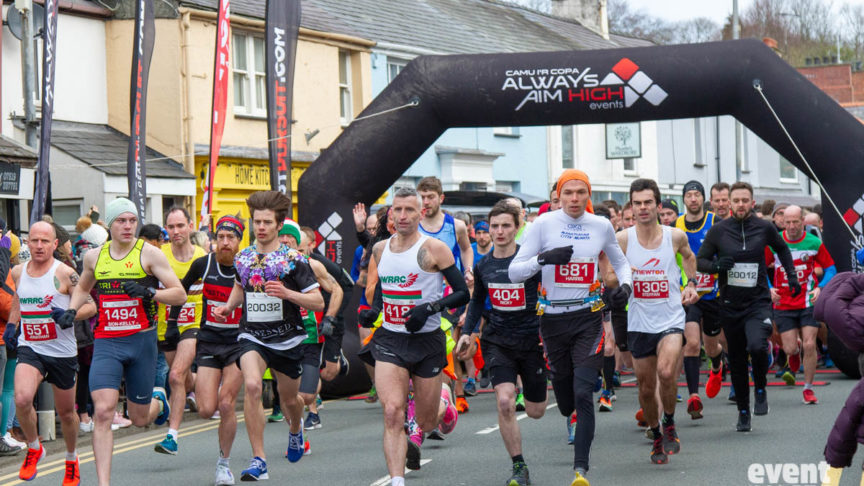
Finally, studies have shown that when we perceived someone of similar ability to us is competing against us (normally someone we know), it in turn can increase our performance, causing the Rival effect. But the problem with this is that over 1200 people competed in the Anglesey half and I only know people faster/slower than me that where competing. So how could I apply this? I chased people of course!! My strategy was to find people of a similar pace on the day and to keep chasing them until I passed them, giving me a mini victory each time. And it worked! Especially around mile 6 where I was constantly overtaking and being overtaken by a man in bright red shorts. Overall this strategy felt like my secret weapon on race day as it kept my concentrated and pushed me to work harder, all whilst feeling like a game.
So, would I change any of these strategies for the full marathon? I don’t think so. All my strategies on race day worked really well for me so I can’t wait to use them again on the big day!! The only thing I might change is my starting position, as I started in the back ¾ and got stuck for the first 20minutes of the marathon trying to overtake people. Other then that race day was amazing and I can’t wait to add another medal to my collection!!
Thanks for reading!
It’s Getting Wetter but Feeling Better week 3-4

So, how has the last 2 weeks of running gone, what have I learned in the past two weeks and how can I apply it my running?
Week- 3
The theory of planned behaviour states that intention toward a behaviour, subjective norms surrounding this behaviour, and perceived behavioural control of your own actions, together shape an individual’s behavioural intentions (their desire to engage in a behaviour) and behaviours.
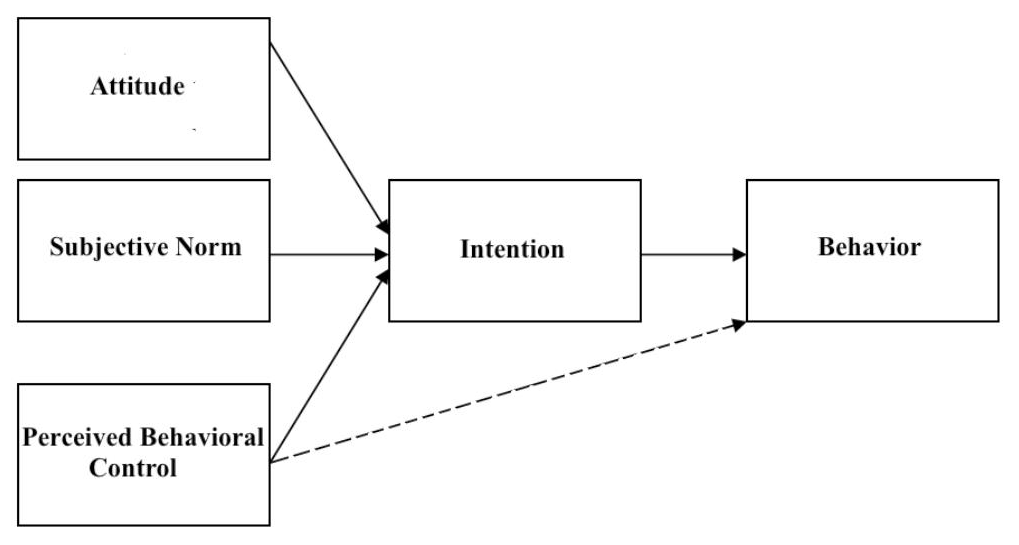
In the context of running, if I had a large intention to run in a group where other people are expected to run and a felt I could perform well and control my training then I’m more likely to engage in that behaviour. So luckily for me, the framework of the born to run module provides exactly that!!! Seminars and lectures give you the confidence to believe in your ability and gradually change your perception of running to a positive outlook as well as guiding you on how to create your training plan and regime. This, however, is all well and good but how can I make running into a habit rather than a task. How can I stop from having this value action gap, when my values don’t match my behaviour and, in my case, saying I’ll run when I don’t? Also, the theory of planned behaviour assumes that humans are logical beings and will pick behaviours that are best for ourselves which is not always true, we’re prone to laziness and taking the easiest options (or at least I am).

This action gap can, therefore, be explained by the dual process of reasoning theory that suggests there are 2 main systems of decision making in the brain. System 1 is responsible for rational decision making, such as long-term planning, number calculation and abstract concepts. System 2, on the other hand, is more emotional and uses intuition and is more prone to seeking out immediate pleasures rather than long term satisfaction. So, whilst system 1 wants me to train as hard as I can for the marathon, system 2 sees that it’s raining a little and decides that staying in bed is a better option as in that moment that bed provides short term satisfaction. However, whilst this theory does make my laziness easier to understand it may be an oversimplification as both intuitive and analytical reasoning are often used together, so these separate systems are more likely to be on a continuum rather than in two separate systems
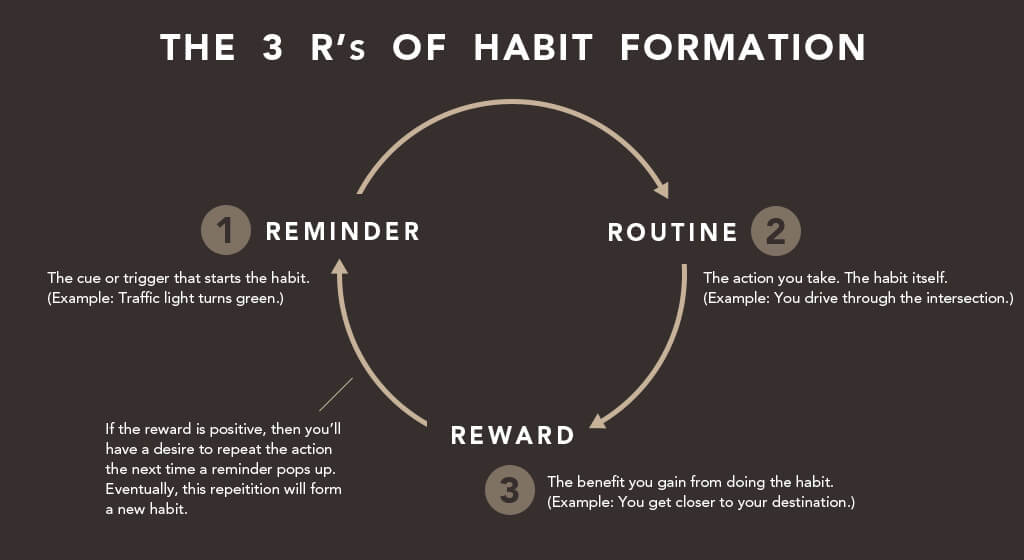
So how do I train myself to stop listening to system 2 and start acting in my long-term interest? I’ve got to create a healthy living habit of exercise, eating and a regular sleep schedule (all of which university students aren’t really known for, so the odds are against me!!). Well, I can start by rewarding myself every time I run any distance. By doing this I then begin to associate running with the feeling of these reinforcers with running increasing the likelihood I’ll engage in running behaviour again via positive reinforcement. After this, I’ve then begun to associate running with this reinforcer my brain will begin to release dopamine while and before I’m running rather than after when I get the reinforcer making me crave running more. This cycle of running and reward creates a routine that is driven by my brains craving for dopamine increasing the likelihood that running will become a stable routine rather than an effortful task to start engaging in.
Engaging in and tracking my running behaviour can also be made easier by chunking my goals into manageable segments, such as weekly running plans and intermediate goals before the marathon such as finishing that Anglesey half in under 2 hours. This makes my goals seem more attenable and easier to manage rather than just have the single goal of running a marathon, making me more likely to go running.
Behavioural nudges, which are positive reinforcement and indirect suggestions that change behaviour, can also be helped to make my running into a habit. So how have I been using these effectively? Firstly, the day before I run, I put my running kit on the radiator so It’s warm to get into providing me with positive reinforcement. I also leave my shoes near the door and set alarms for when I need to go running to remind me to leave the house, all of which provide a small nudge.
So hopefully by employing all these methods of behaviour change, I’ll be able to make running a habit and something that I do automatically. In addition, exercise has also been shown to be a keystone behaviour (a behaviour that encourages other behaviours) associated with healthy eating and lifestyle choice. So, I’m hoping it’ll cure me of my bread obsession!!!!!

Week 4:
In this week we went over the difference between a goal and an ambition in terms of marathon running. At first, running a marathon was an ambition before I entered module but now as I’ve created a running plan, using this plan and changing my lifestyle habits in pursuit of this ambition it has now become a goal as I am taking active steps to achieve it.
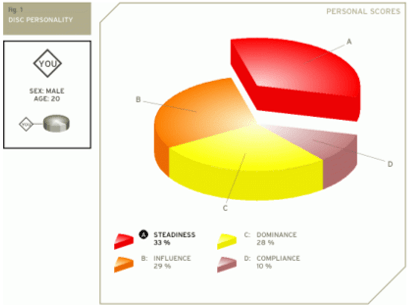
But what the best way to go about achieving this new goal? According to Walter Clark, people can be profiled by their emotions and behaviours into 4 categories, Dominance, influence, steadiness and compliance (DISC). Then based on these characteristics people have different motivations for success and will benefit from different environments. So I undertook a brief version of the DISC test to see my main personality type and found I was 33% steadiness, 29% Influence, 28% Dominance and 10 % compliance. These values suggest I work best with a group and I’m motivated acceptance and security. So, the born to run module is perfect for me as it encourages a strong sense of comradery with our cohort and recognising others achievement via Strava and giving compliments in person. However, this is only an abridged version of the test so isn’t as accurate and if I’m not finding this form of motivation as reinforcing as other rewards, I should seek out those reinforcers instead for the sake to my running.
Now that I know what motivates me how am I going to achieve success in my running and make sure I hit my goal? Firstly, I’ve got have a goal that stretches me otherwise I won’t be achieving my full potential and for me, this goal is running my first half marathon in under 2 hours and my first marathon in under 4 hours and 10 minutes. By doing this it means I’ll have to work harder to achieve my goal and therefore put more effort into my training. However, the case against stretch goals is that they can be demotivating if not achieved, so if I wasn’t able to run the Anglesey half in under 2 hours, I may lose confidence in myself. The next trick to success is believing in my own ability and not being afraid of engaging in new activities like track work or hills sprints, both of which would help my running tremendously. Then I have to learn from my failures to go running or not meeting my ideal times and work out what I need to do differently in future, whether that be changing my attribution bias to a more positive one or learning what makes it easier to go for a run in the morning. This will also help me work on my resilience which I’ve already been doing by viewing running in a more positive light and by taking care of my body in the form eating healthier and getting more sleep.

In conclusion, hopefully, the amalgamation of all these techniques to make me a more motivated and goal-oriented individual will help with my running as well as other aspects of my life (especially stopping my bread addiction!!!!!).
My actual running:
So how has all this new information affected my running?
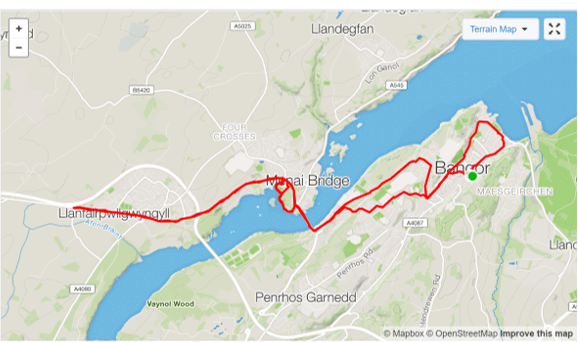
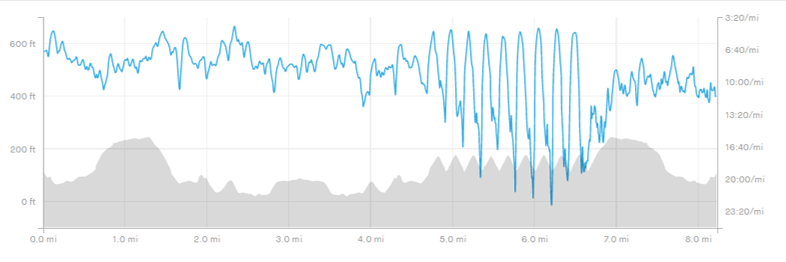
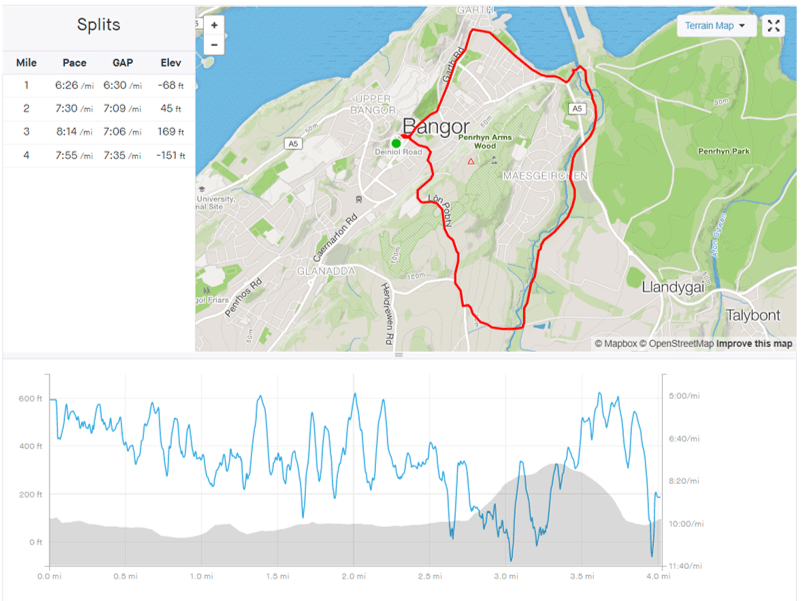
Well due to the recent weather I haven’t been able to go out running as much as I would have liked but I have been doing different types of runs compared to the first week of running. Every time I go out running, I have a goal in mind. For my hill sprints and fast runs, I aim for the shortest time possible and to improve my strength. But for my long or easy runs, I aim at improving my form. So, what has this new type of goal setting done for my performance? These past 2 weeks I’ve achieved my fastest 5k of 23:16, I’m the tenth fastest in Bangor for hill sprints up Belmont road (going to try climb that leader board as the weeks go on) and I did a 12.5-mile run. So overall, I’m feeling pretty great about running even if I did miss a few days to bad weather
Thanks for reading and hopefully I keep progressing at the same rate for the next weeks to come!!!
Week 1-2 Set backs and goal setting
Setbacks
So, let’s begin with what didn’t go well in the first 2 weeks of running. Firstly, I only went running once in my first week other than the module group run and wasn’t using a running plan and had no goals in mind, only the loose idea that I was running a marathon. All things that aren’t conducive with training for a marathon . I was making excuse such “it raining a little so I’ll go later” or “I’m not really in the mood” so my intentions to implement my running training where lacking. However, I’m glad this happened in this first week as it has allowed me to implement certain ways of thinking and goal setting behaviour to overcome these issue

Setting Goals and Overcoming Setbacks:
So, after this week of, let’s be honest, sub-par effort I decided it was time to shake things up. Coming out of my born to run lecture I was armed with the knowledge of the power of goal setting and I was ready to make a change. First things first I needed a goal. So, I decided to use the method of SMART goal setting along with having 3 types of goals in mind throughout my training; an outcome goal, performance goal and a process goal.
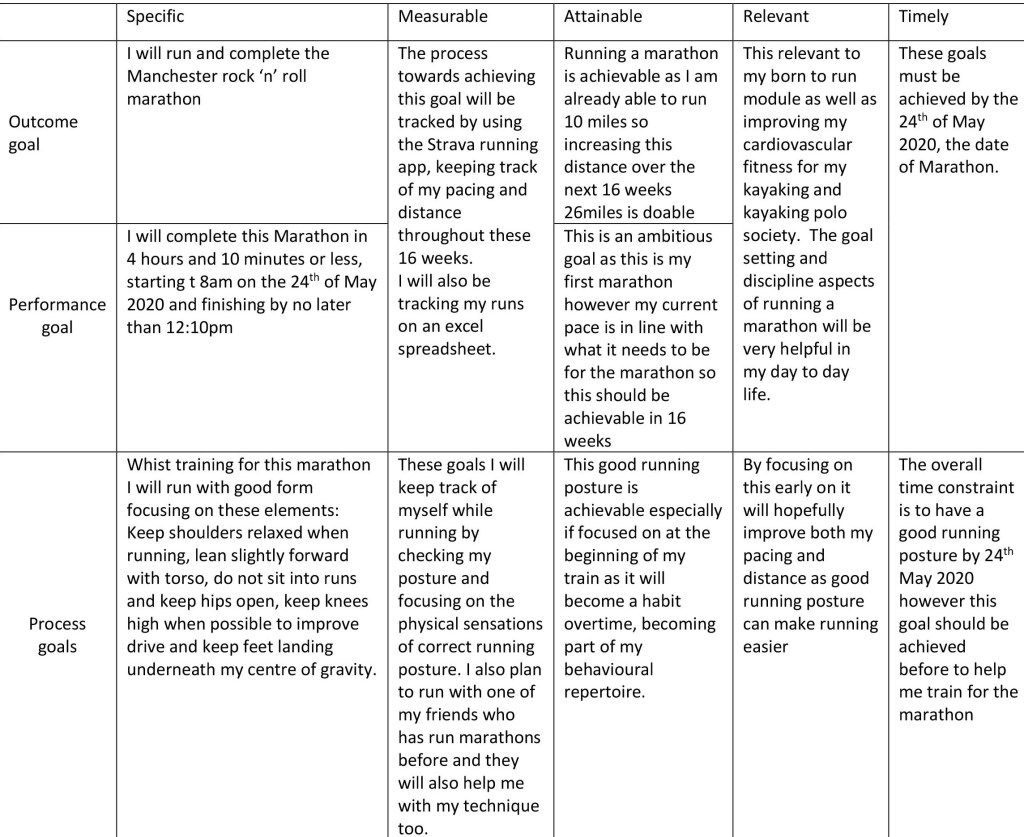
Stating my goals in this way gives me a clear object to strive for, giving me motivation and a framework to achieve my goal within, increasing the likelihood I’ll run the marathon. However, training 4-5 times a week and then having the delayed reinforcement 16 weeks later is not going to increase the frequency of my running according to generalised matching law. Instead, I’m using a behavioural technique of creating a fix ratio schedule of reinforcement for every time I go running. After every run I get an hour of negative reinforcement, I don’t have to do any university work and can spend this time as I please, encouraging future running. This also helps to split up my training into manageable chunks providing me with small wins throughout the week as well as leaving myself room to provide larger reinforcers for milestone goals such as the Anglesey half marathon. Also, the simple aspect of tracking your own behaviour can increase the desired behaviour and that’s what I hope to achieve tracking my runs on my excel document as well as Strava. The excel spreadsheet of my running plan is linked below along with a key explaining my phrasing on exertion levels.
https://docs.google.com/spreadsheets/d/17isxA2WqhqUR6wKXTh7Mq2OYZ0mdwvZNSmQU84KzGUI/edit?usp=sharing

My Attribution Bias:
After I set these goals something was still missing, I had the spreadsheet, I had shoes but what I didn’t have was the best attitude. I saw the week before as a failure and it was my fault. I hadn’t gone running because I didn’t put the effort in and thought I might have already hamstringed myself in terms of my future running pace. This type of negative attribution bias, although it helped me make the switch from not running to running, isn’t going to be extremely helpful once I start running, especially for building mental resilience for my long runs. So, I decided I needed to move to a positive way of thinking about my running training. This will helpfully encourage me to go on more runs and feel better about the runs I do go on.
Putting the Plan to use:
Overall my second week of running has gone better than expected! I’ve run a total of 27.8mi (44.7km) with my long run being 10mi!!! I also made up for missing my Saturday run by increasing the distances on my other runs so didn’t feel like I’d missed a session. I felt better about myself for actually doing the runs and being able to tick them off my spreadsheet felt particularly reinforcing. Trying fartlek for the first time was also great fun and it helped to spice up my running.
Thanks for reading! Hopefully it goes as well for the next 2 weeks!
Referencing
Courneya, K. S., Friedenreich, C. M., Sela, R. A., Quinney, H. A., Rhodes, R. E., & Jones, L. W. (2004). Exercise motivation and adherence in cancer survivors after participation in a randomized controlled trial: An attribution theory perspective. International Journal of Behavioral Medicine, 11(1), 8-17. doi: 10.1207/s15327558ijbm1101_2
DePaolo, J., Gravina, N. E., & Harvey, C. (2019). Using a behavioral intervention to improve performance of a women’s college lacrosse team. Behavior Analysis in Practice, 12(2), 407-411. doi:10.1007/s40617-018-0272-6
Falligant, J. M., Boomhower, S. R., & Pence, S. T. (2016). Application of the generalized matching law to point-after-touchdown conversions and kicker selection in college football. Psychology of Sport and Exercise, 26, 149-153. doi:10.1016/j.psychsport.2016.07.006
McDonald, S. M., & Trost, S. G. (2015). The effects of a goal setting intervention on aerobic fitness in middle school students. Journal of Teaching in Physical Education, 34(4), 576-587. doi: 10.1123/jtpe.2014-0138
Richards, C. S. (1975). Behavior modification of studying through study skills advice and self-control procedures. Journal of Counseling Psychology, 22(5), 431-436. doi: 10.1037/h0077151
 From Mediocre to Marathon