The past two weeks haven’t been quite as exciting as the last but none the less they’ve shown me a few things about myself, which I’ve managed to incorporate into my running.
Week 7
This week was about psychological endurance which is governed by the Psychobiological model. This model states that the decision to whether we can keep going in an endurance situation is under our own control but is based on whether our motivation is higher than the perceived effort of the task. So if the effort required is higher we are unlikely to engage in this action or have our performance greatly reduced. Our minds also have a perceived “maximum effort” controlled by the central governor which will consciously reduce muscle recruitment to a task to reduce the effects of exercise on the body. However, this perceived “maximum effort” can be broken using psychological techniques, will power and subliminal cues.
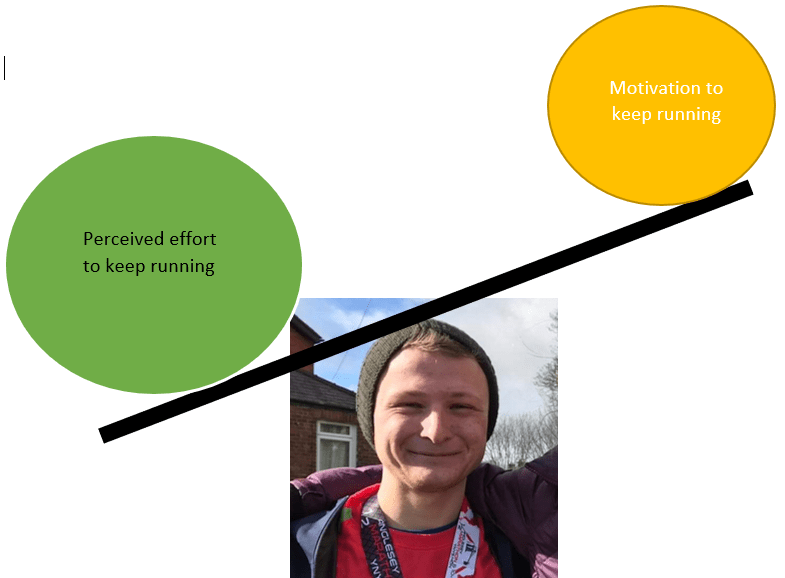
Firstly Anthony, Hardy, and Marcora (2014) showed that the use of positive imagery and subliminal cues was able to reduce perceived physical exertion and thereby improved performance. This improves performance as perceived exertion was lower, meaning motivations to perform where higher in comparison to the control even though motivation stayed the same throughout the conditions.
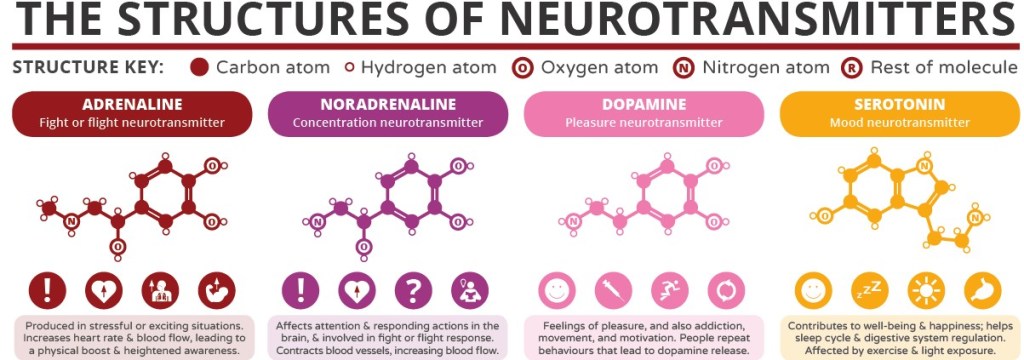
Alternatively, you can also increase your motivations by improving your grit (the ability to persevere towards long- term goals despite setbacks). To do this you need to first think of yourself as gritty, as by creating a self-concept of grittiness you are improving your self-confidence in your ability to engage in gritty behaviour. I can then further increase my internal motivation for running by focusing on my passion for running which I’ve started to develop over the last 6 weeks. Passion can be an important factor in performance running as greater passion improves your motivation to engage in a sport and therefore improves your performance as you are able to increase your motivations compared to the perceived effort of the sport overcoming the central governor. In addition, Meeusen et al (2013) found that passion for a sport has a physiological effect on the brain during exercise as passion is related to increased levels of dopamine and decrease levels of noradrenaline and serotonin. This dopamine release during exercise is shown to improve performance and decrease perceived excretion. In addition, noradrenalin is a associated with anxiety, pain, mood and depression and in Roelands (2008) was found that decreased levels noradrenaline were correlated with better performance in sprinting tries.
So how does grit, passion and positive imagery apply to my running? Well, (sorry for the imagery that is about to come) when doing hill sprints in one of my born to run seminars my body didn’t take it too well and I had to run to the nearest bin and began dry retching. This is my adversity, something that reduced my motivation to keep running increased the perceived effort of continuing. However, I knew I’d been through worse before, I knew I could keep training (I was gritty) and I was confident in my ability to do so. I also imagined myself sprinting to the top of that hill as fast as I could, while I sat clutching my stomach. Finally, I wanted to keep running because I’ve developed the running bug (passion). So, I kept going, was the first to reach the top of the hill and got back to the meeting point first. All of which gave me an endorphin rush which reduced the pain in my stomach (reduced levels of noradrenaline transmission, reducing pain perception) and made feel good about myself (increased levels of dopamine
Week 8:
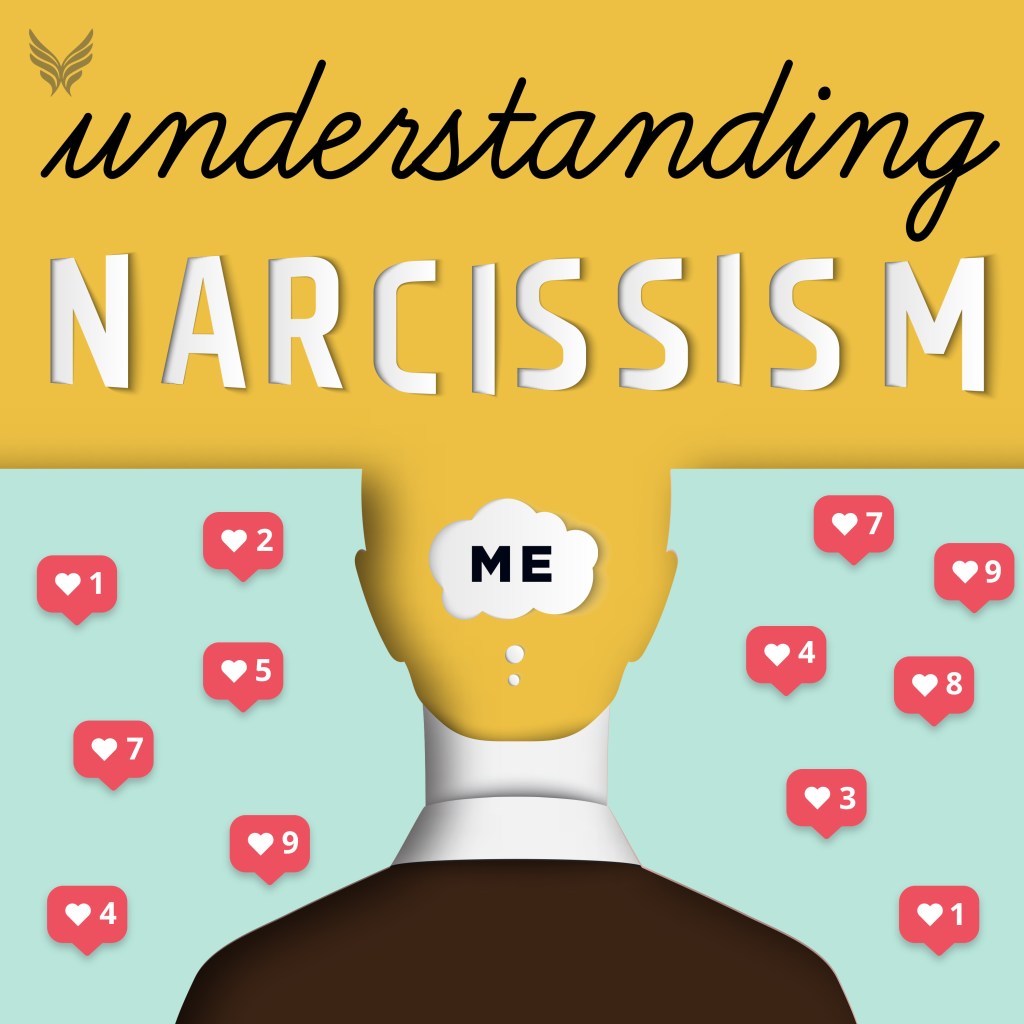
This week was all about personality and how that there is no ideal personality for top sporting performance but that different personality traits have both benefits and drawbacks. My main take away from this lecture was that I am in fact a huge narcist (at least for sport that is), I enjoy beating others, the idea of getting the fastest time excites me and when I have the chance to prove myself in a competition I take it without a moment’s notice. But it also limits my sporting ability to an extent as well in my training and when I’m on my own, so I need to develop a plan that both enhances the positive aspects of my narcissistic personality and deals with my limiting ones too.
Firstly a narcissism is a personality trait that describes a person who is overconfident, vain, engages in self-handicapping, seeks glory and have a fragile self-image. However, to be a narcist you don’t have to have all these traits and you may have a multitude of others not mentioned.
So how does this affect my running? Roberts et al (2019) have shown that narcissism can improve performance when there are opportunities for glory (aka proving myself in front of others). This is clearly shown in my race time for the half marathon as was able to run 13.8mi at a pace of 7:47 (I can barely reach this pace doing 8mi!). But in my training runs after the marathon, I was hitting a pace of around 8:30. The main reason for this may be that narcissism has also been shown (cite) to be correlated with a lower performance where glory or competition isn’t available. So how can I use my narcissism to my advantage?
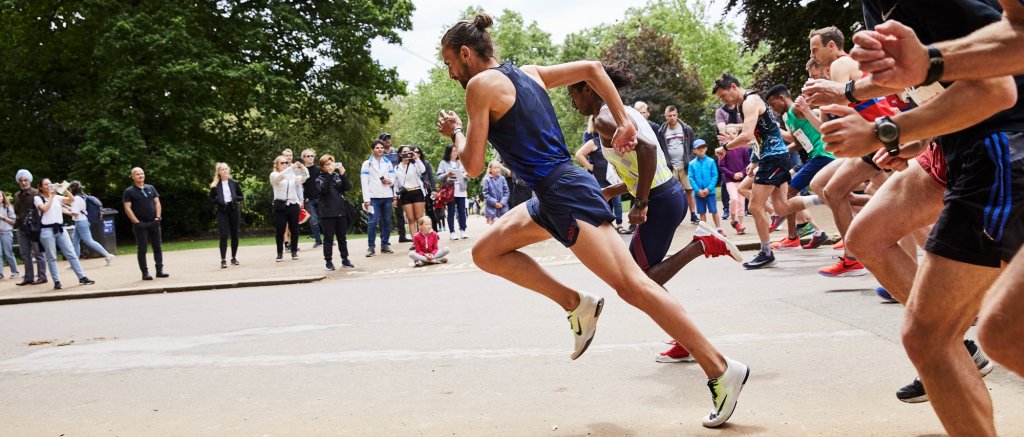
First thing first is to train with other people more, especially people that are better than me! By trying to beat someone that’s better than me I’ll have to push myself harder and the reward/glory for being able to match their pace will motivate me to put my maximum effort in. In addition, when I’m running on my own, I have started to visualise someone running in front of me or that people around me are trying to catch up with me which has helped give me a surprising boost to speed. This has been shown to be beneficial as shown in Amasiatu (2013) as imagery can create greater psychological arousal before and during exercise as well as focus your mind on certain strategies and technique by improving your attentional control. This is shown to be effective as well in my most recent Strava segment (image below), as using this imagery helped me achieve a new PB for my 5km. In addition to this by using imagery of perfect running form while and before I go running it can improve my running technique according to the Psychoneuromuscular Theory. This theory states that vivid imagined events of muscle action produce signals in our muscles similar to that produced by the actual physical execution of the event. This helps to create muscle memory even when not engaging in my running.
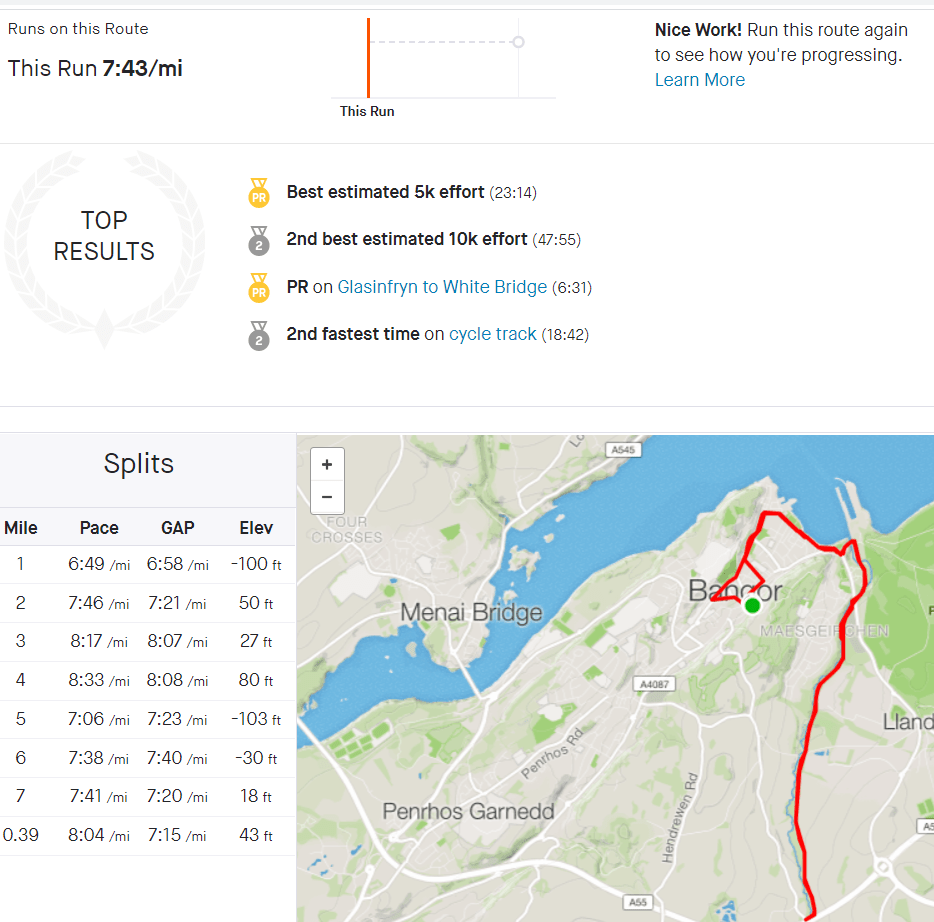
Finally, I’ve started to try to compete for segment high scores on Strava as well so it’s as if I’m competing against others while I still train on my own. My highest at the moment is 2nd on Farrar Road. Hopefully using all of these methods along with the methods I already use will help me to keep improving my running and keep me motivated until marathon day and thereafter!!!! That is if my marathon is still going ahead!!!!!!!

 From Mediocre to Marathon