
So, how has the last 2 weeks of running gone, what have I learned in the past two weeks and how can I apply it my running?
Week- 3
The theory of planned behaviour states that intention toward a behaviour, subjective norms surrounding this behaviour, and perceived behavioural control of your own actions, together shape an individual’s behavioural intentions (their desire to engage in a behaviour) and behaviours.
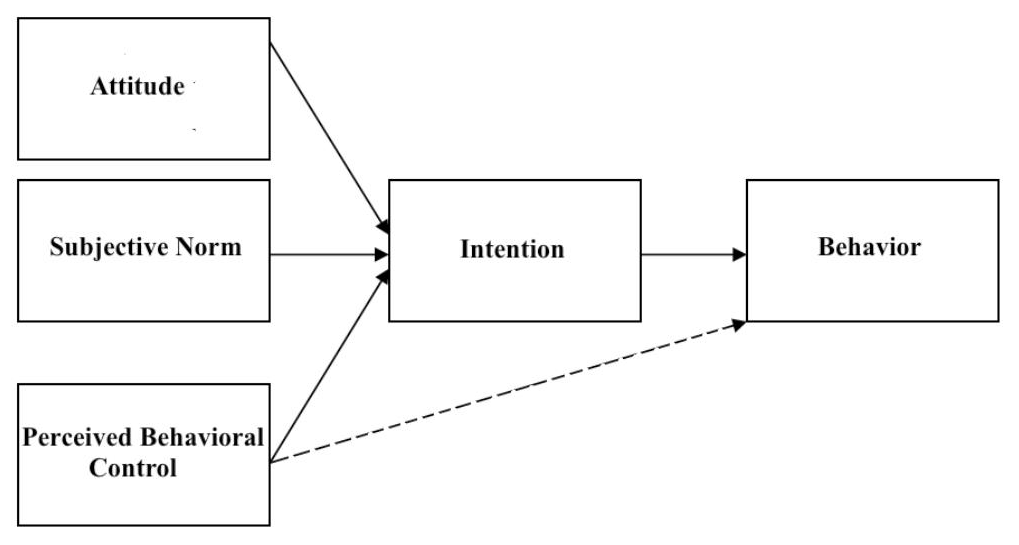
In the context of running, if I had a large intention to run in a group where other people are expected to run and a felt I could perform well and control my training then I’m more likely to engage in that behaviour. So luckily for me, the framework of the born to run module provides exactly that!!! Seminars and lectures give you the confidence to believe in your ability and gradually change your perception of running to a positive outlook as well as guiding you on how to create your training plan and regime. This, however, is all well and good but how can I make running into a habit rather than a task. How can I stop from having this value action gap, when my values don’t match my behaviour and, in my case, saying I’ll run when I don’t? Also, the theory of planned behaviour assumes that humans are logical beings and will pick behaviours that are best for ourselves which is not always true, we’re prone to laziness and taking the easiest options (or at least I am).

This action gap can, therefore, be explained by the dual process of reasoning theory that suggests there are 2 main systems of decision making in the brain. System 1 is responsible for rational decision making, such as long-term planning, number calculation and abstract concepts. System 2, on the other hand, is more emotional and uses intuition and is more prone to seeking out immediate pleasures rather than long term satisfaction. So, whilst system 1 wants me to train as hard as I can for the marathon, system 2 sees that it’s raining a little and decides that staying in bed is a better option as in that moment that bed provides short term satisfaction. However, whilst this theory does make my laziness easier to understand it may be an oversimplification as both intuitive and analytical reasoning are often used together, so these separate systems are more likely to be on a continuum rather than in two separate systems
So how do I train myself to stop listening to system 2 and start acting in my long-term interest? I’ve got to create a healthy living habit of exercise, eating and a regular sleep schedule (all of which university students aren’t really known for, so the odds are against me!!). Well, I can start by rewarding myself every time I run any distance. By doing this I then begin to associate running with the feeling of these reinforcers with running increasing the likelihood I’ll engage in running behaviour again via positive reinforcement. After this, I’ve then begun to associate running with this reinforcer my brain will begin to release dopamine while and before I’m running rather than after when I get the reinforcer making me crave running more. This cycle of running and reward creates a routine that is driven by my brains craving for dopamine increasing the likelihood that running will become a stable routine rather than an effortful task to start engaging in.
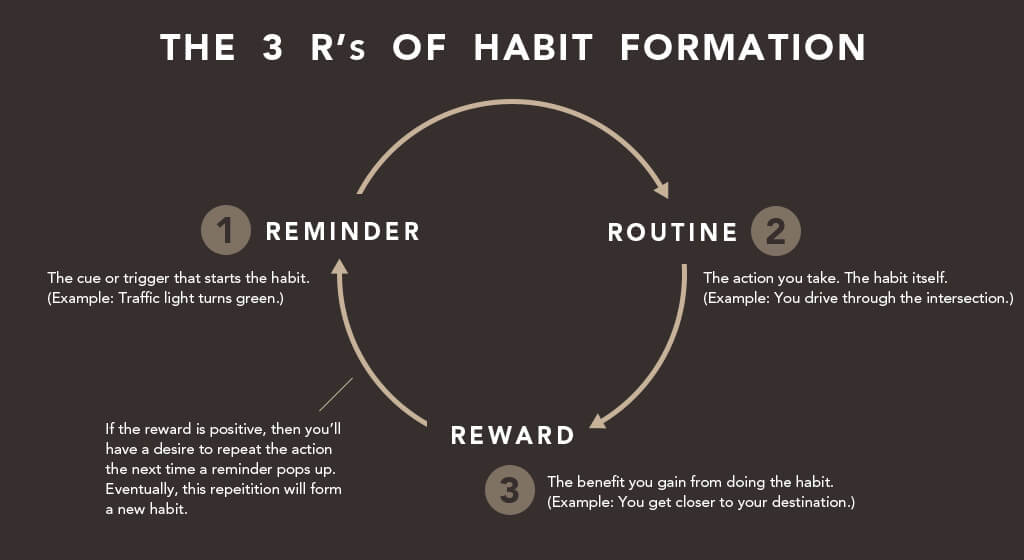
Engaging in and tracking my running behaviour can also be made easier by chunking my goals into manageable segments, such as weekly running plans and intermediate goals before the marathon such as finishing that Anglesey half in under 2 hours. This makes my goals seem more attenable and easier to manage rather than just have the single goal of running a marathon, making me more likely to go running.
Behavioural nudges, which are positive reinforcement and indirect suggestions that change behaviour, can also be helped to make my running into a habit. So how have I been using these effectively? Firstly, the day before I run, I put my running kit on the radiator so It’s warm to get into providing me with positive reinforcement. I also leave my shoes near the door and set alarms for when I need to go running to remind me to leave the house, all of which provide a small nudge.
So hopefully by employing all these methods of behaviour change, I’ll be able to make running a habit and something that I do automatically. In addition, exercise has also been shown to be a keystone behaviour (a behaviour that encourages other behaviours) associated with healthy eating and lifestyle choice. So, I’m hoping it’ll cure me of my bread obsession!!!!!

Week 4:
In this week we went over the difference between a goal and an ambition in terms of marathon running. At first, running a marathon was an ambition before I entered module but now as I’ve created a running plan, using this plan and changing my lifestyle habits in pursuit of this ambition it has now become a goal as I am taking active steps to achieve it.
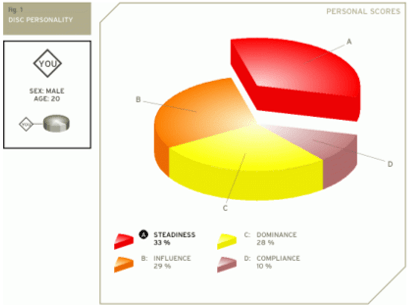
But what the best way to go about achieving this new goal? According to Walter Clark, people can be profiled by their emotions and behaviours into 4 categories, Dominance, influence, steadiness and compliance (DISC). Then based on these characteristics people have different motivations for success and will benefit from different environments. So I undertook a brief version of the DISC test to see my main personality type and found I was 33% steadiness, 29% Influence, 28% Dominance and 10 % compliance. These values suggest I work best with a group and I’m motivated acceptance and security. So, the born to run module is perfect for me as it encourages a strong sense of comradery with our cohort and recognising others achievement via Strava and giving compliments in person. However, this is only an abridged version of the test so isn’t as accurate and if I’m not finding this form of motivation as reinforcing as other rewards, I should seek out those reinforcers instead for the sake to my running.
Now that I know what motivates me how am I going to achieve success in my running and make sure I hit my goal? Firstly, I’ve got have a goal that stretches me otherwise I won’t be achieving my full potential and for me, this goal is running my first half marathon in under 2 hours and my first marathon in under 4 hours and 10 minutes. By doing this it means I’ll have to work harder to achieve my goal and therefore put more effort into my training. However, the case against stretch goals is that they can be demotivating if not achieved, so if I wasn’t able to run the Anglesey half in under 2 hours, I may lose confidence in myself. The next trick to success is believing in my own ability and not being afraid of engaging in new activities like track work or hills sprints, both of which would help my running tremendously. Then I have to learn from my failures to go running or not meeting my ideal times and work out what I need to do differently in future, whether that be changing my attribution bias to a more positive one or learning what makes it easier to go for a run in the morning. This will also help me work on my resilience which I’ve already been doing by viewing running in a more positive light and by taking care of my body in the form eating healthier and getting more sleep.

In conclusion, hopefully, the amalgamation of all these techniques to make me a more motivated and goal-oriented individual will help with my running as well as other aspects of my life (especially stopping my bread addiction!!!!!).
My actual running:
So how has all this new information affected my running?
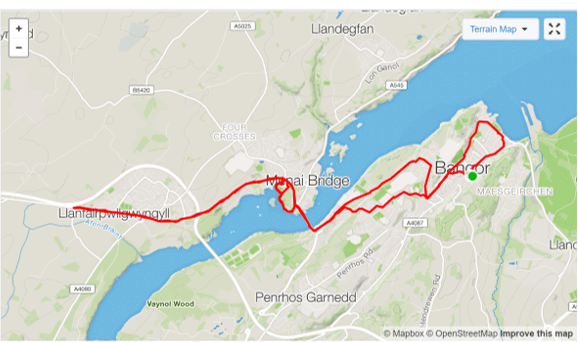
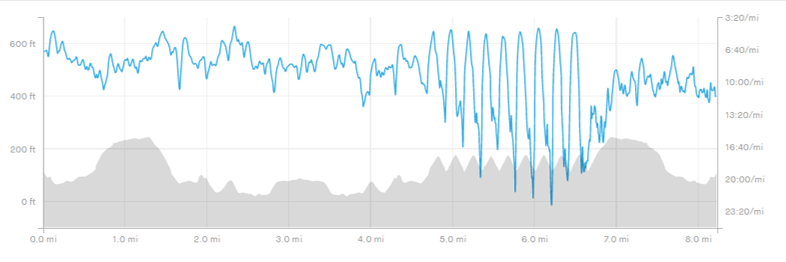
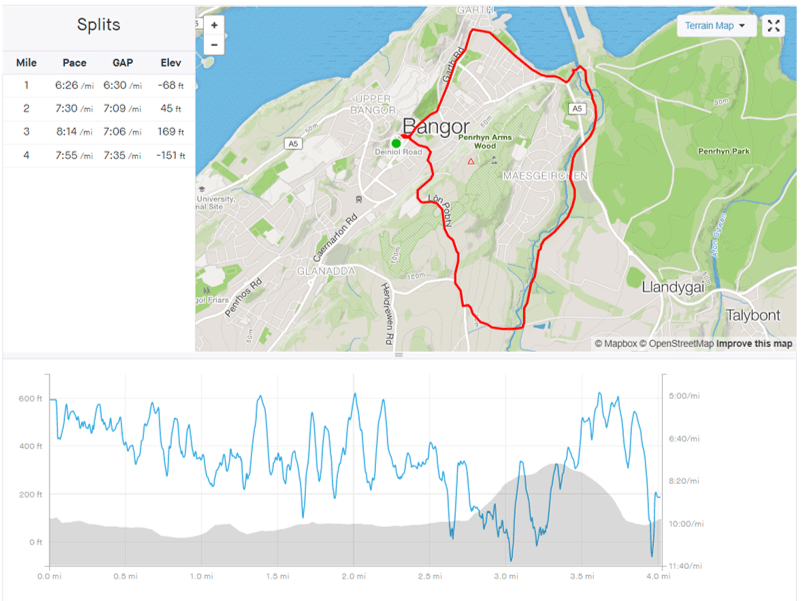
Well due to the recent weather I haven’t been able to go out running as much as I would have liked but I have been doing different types of runs compared to the first week of running. Every time I go out running, I have a goal in mind. For my hill sprints and fast runs, I aim for the shortest time possible and to improve my strength. But for my long or easy runs, I aim at improving my form. So, what has this new type of goal setting done for my performance? These past 2 weeks I’ve achieved my fastest 5k of 23:16, I’m the tenth fastest in Bangor for hill sprints up Belmont road (going to try climb that leader board as the weeks go on) and I did a 12.5-mile run. So overall, I’m feeling pretty great about running even if I did miss a few days to bad weather
Thanks for reading and hopefully I keep progressing at the same rate for the next weeks to come!!!
 From Mediocre to Marathon